Séance 1 : The Animals of Kenya

  • Objectif : Découvrir les animaux sauvages du Kenya à travers l’interview d’Alana.
  • Activités : Nommer les animaux en anglais, lire l’interview d’Alana, associer chaque animal à sa photo, puis parler de la faune autour de chez soi.
  • À retenir : Savoir nommer les animaux du Kenya (a lion, an elephant, a rhino, a buffalo, a leopard, a zebra, an antelope, a monkey, a squirrel) et dire ce que l’on peut voir : I can see…

Vocabulary Kit: Wildlife & National Parks

Wildlife
  • wildlife = la faune, la vie sauvage
  • a herd = un troupeau
  • the Big Five = les Big Five (les cinq grands)
  • a wildebeest = un gnou
  • a giraffe = une girafe
  • a species = une espèce
  • spots = des taches
  • a trunk = une trompe
  • tusks = des défenses
National Parks
  • a national park = un parc national
  • a game reserve = une réserve animalière
  • a habitat = un habitat
  • a river = une rivière
  • the Great Migration = la Grande Migration
  • a school trip = une sortie scolaire
On Safari
  • to spot = apercevoir, repérer
  • to watch = observer
  • to see = voir
  • to recommend = recommander
  • to visit = visiter
  • to cross = traverser
Describing
  • amazing = incroyable, extraordinaire
  • famous = célèbre
  • unique = unique
  • stunning = superbe
  • must-visit = à voir absolument
  • upcountry = à l’intérieur du pays
  • fast = rapide
  • strong = fort
  • dangerous = dangereux
  • wild = sauvage

Document: The Animals of Kenya

Alana Chelangat @AlanaChelangat Alana’s Guide to Kenya · The Animals of Kenya
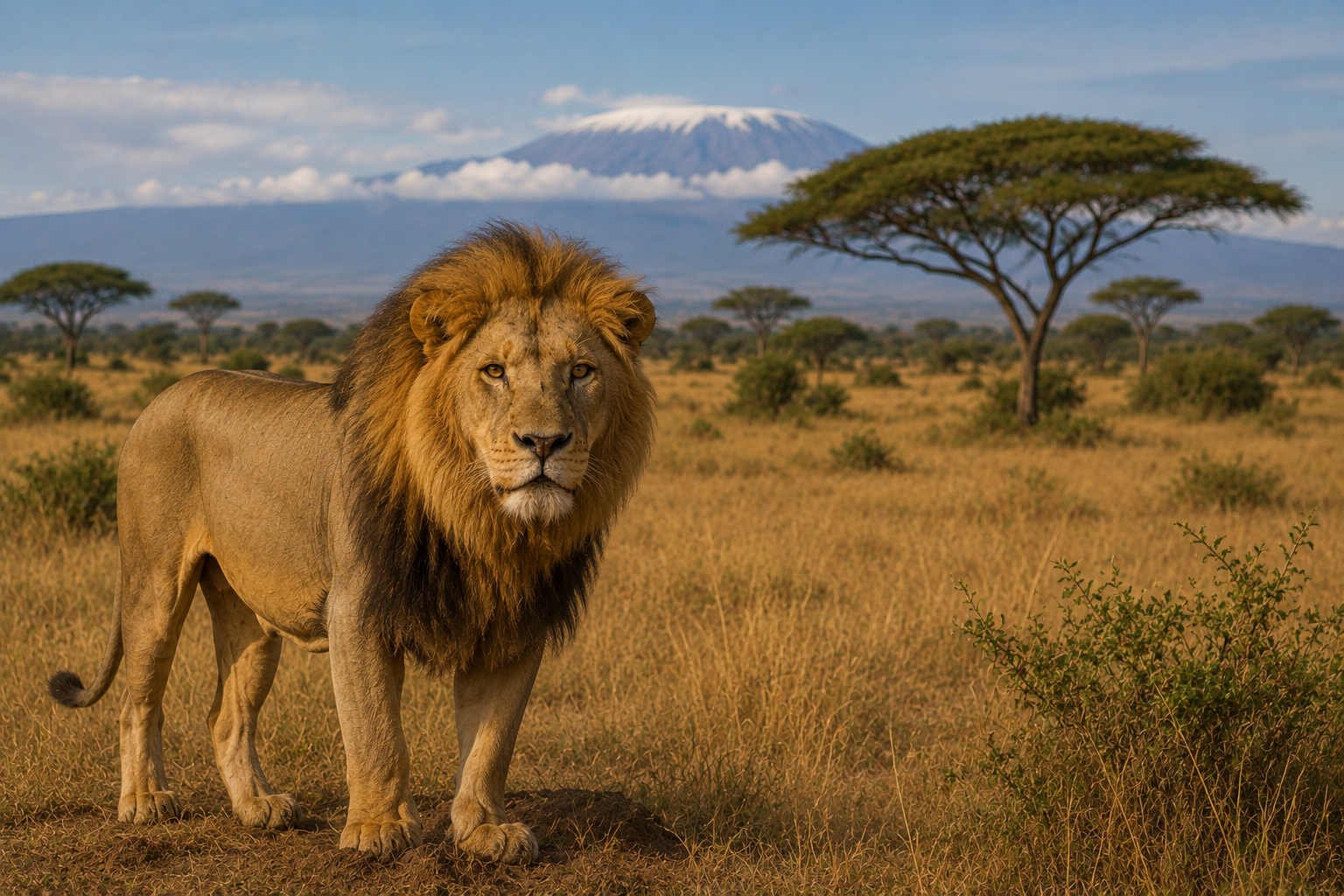
A lion in Kenya
_____ _____ _____ _____
Is there a lot of wildlife in Kenya?
_____ _____ _____ _____ _____ _____
Yes, I can enjoy nature and wildlife both in Nairobi and when traveling upcountry.
_____ _____ _____ _____
Kenya’s landscapes and wildlife are truly amazing.
_____ _____
What animals can you see?
_____ _____ _____ _____ _____ _____ _____ _____
When traveling, I can spot zebras, antelopes, squirrels, and playful monkeys along the way, which never fails to make me smile.
_____ _____ _____ _____ _____ _____ _____ _____ _____ _____
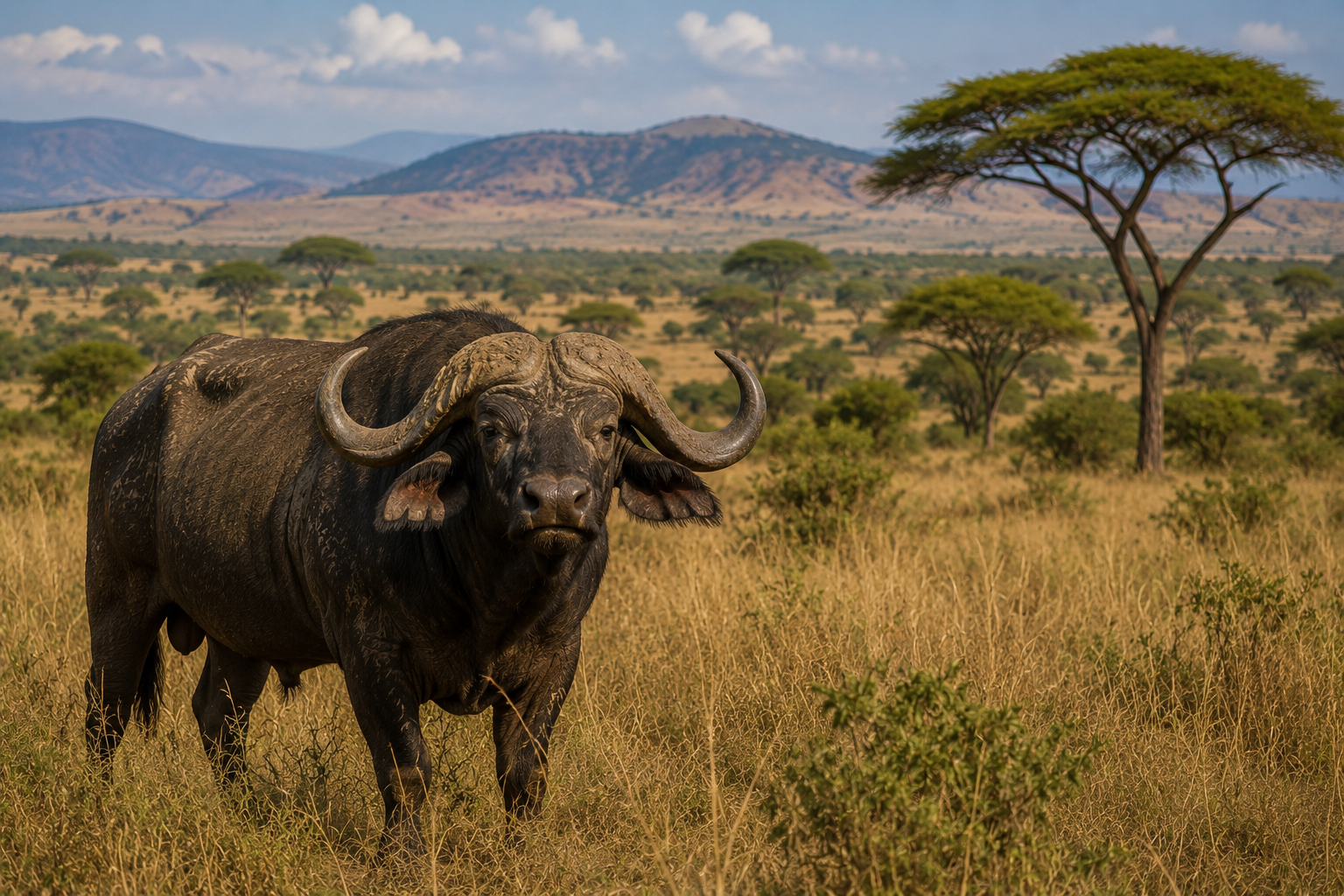
I’ve also visited Nairobi National Park and Lake Nakuru, where I’ve been lucky enough to see all the Big 5: lions, elephants, buffalos, leopards, and rhinos.
_____ _____ _____ _____ _____ _____
Living in Kenya means I can experience the beauty of nature every day.

Brainstorm: Wildlife Where You Live

What animals can you see where you live? Say full sentences: I can see…
Quels animaux peux-tu voir là où tu habites ? Dis des phrases complètes : « I can see… »
Your words will appear here.

Translation Task: The Animals of Kenya

Build the sentence in English
Clique sur une flèche pour lancer la roulette.

Séance 2 : Kenya’s National Parks

  • Objectif : Découvrir les parcs nationaux du Kenya et donner son avis sur celui que l’on aimerait visiter.
  • Activités : Lire la définition d’un parc national, lire l’interview d’Alana, identifier les parcs, choisir un parc à visiter et voter, puis préparer un quiz sur les Big Five.
  • À retenir : Savoir parler des parcs nationaux (Maasai Mara, Amboseli, Lake Nakuru, Tsavo) et exprimer un souhait : I want to visit… because…

Document: Kenya’s National Parks

Alana Chelangat @AlanaChelangat Alana’s Guide to Kenya · Kenya’s National Parks
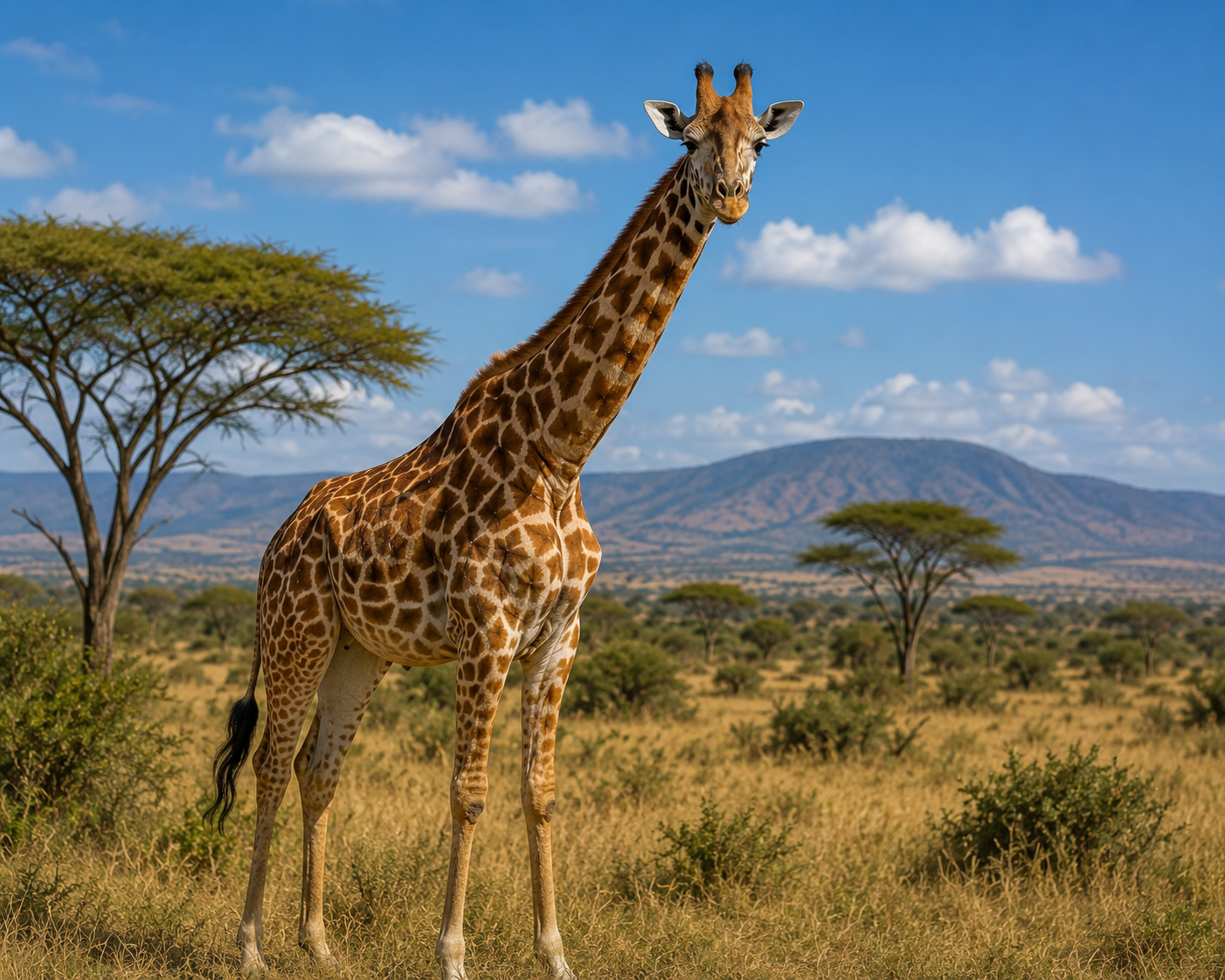
A giraffe in a Kenyan national park
_____ _____ _____
Can you tell us about the national parks in Kenya?
_____ _____ _____ _____ _____ _____
Kenya has many incredible national parks, and each one offers something unique.
_____ _____
Is there one you recommend?
_____ _____ _____ _____
I can highly recommend the Maasai Mara, which I visited during a school trip.
_____ _____ _____ _____ _____ _____
It’s famous for the Great Migration, where millions of wildebeests and zebras cross the Mara River.
_____ _____ _____ _____
You can also see lions, cheetahs, and elephants there.
_____ _____ _____ _____ _____ _____
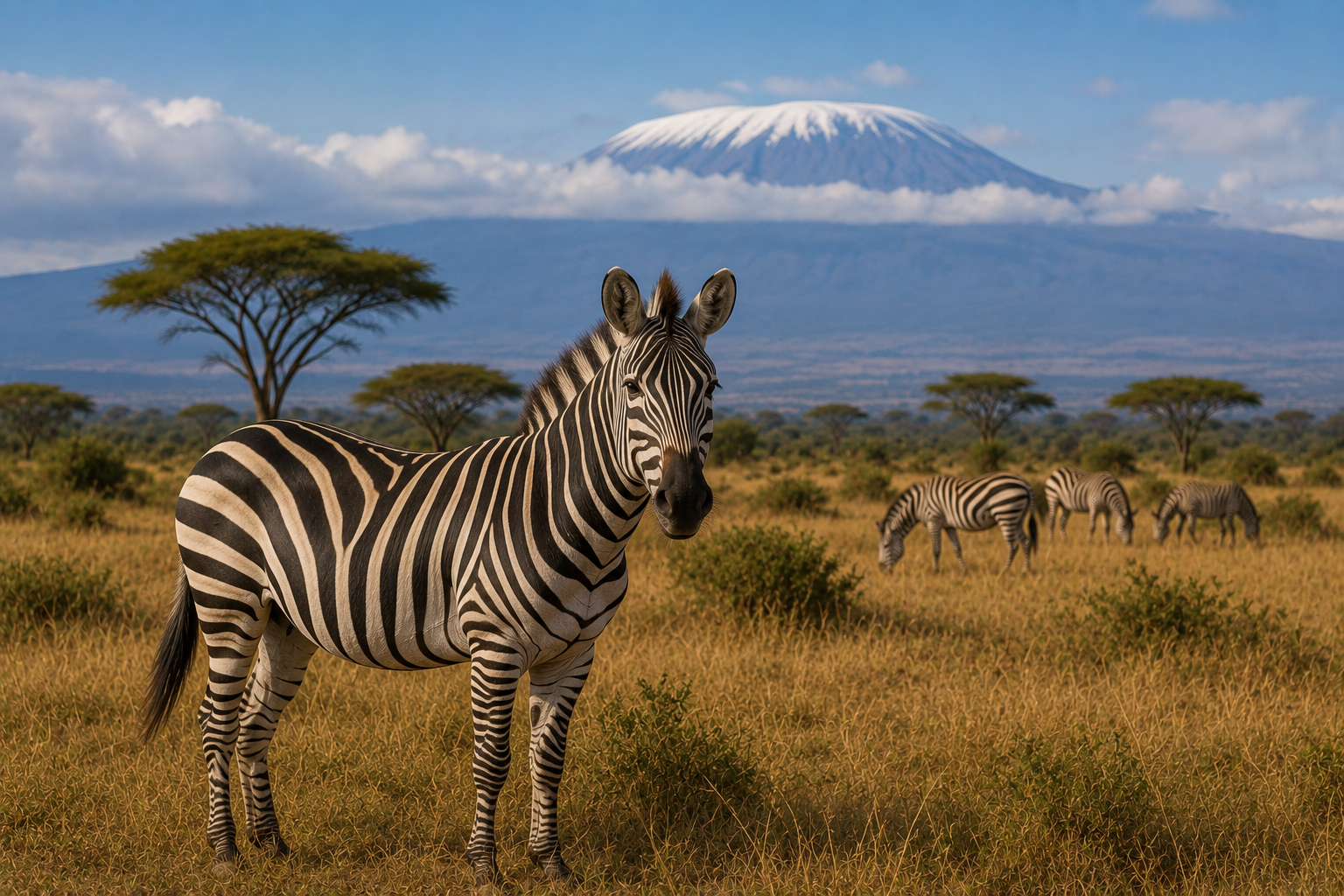
Amboseli National Park is known for its stunning views of Mount Kilimanjaro and its large herds of elephants.
_____ _____ _____ _____ _____ _____ _____
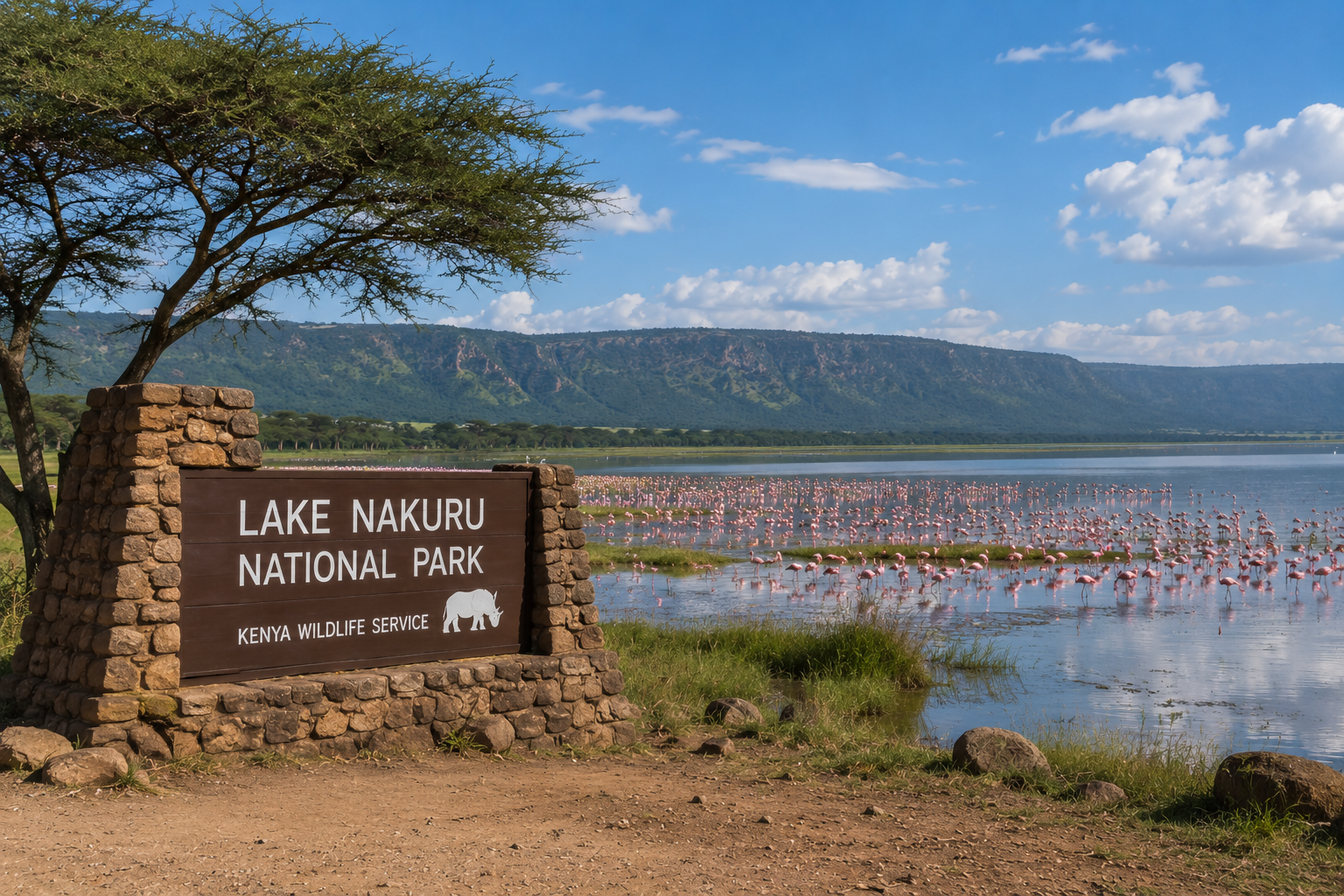
Lake Nakuru is a must-visit for bird lovers — you can see thousands of pink flamingos and pelicans.
_____ _____ _____ _____ _____ _____ _____
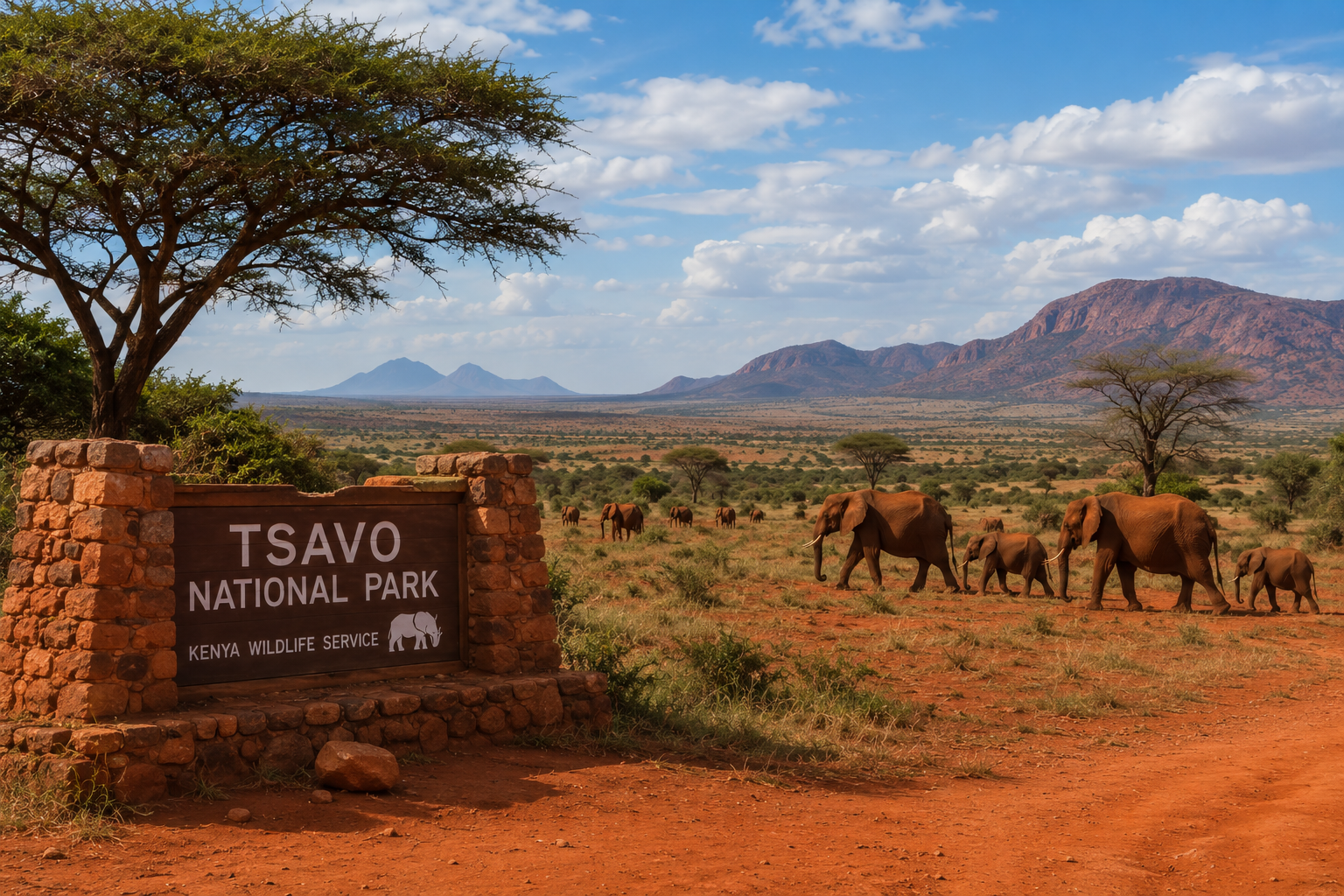
In Tsavo, you can watch herds of elephants, buffalos, and giraffes right from your room or the restaurant.
_____ _____
Isn’t that amazing?

National Parks: What & Where

What is a national park?
Qu’est-ce qu’un parc national ?
Which national parks does Alana talk about?
De quels parcs nationaux Alana parle-t-elle ?

Match: Which National Park?

Match each clue to the right national park.
Associe chaque indice au bon parc national.

    Speaking Task: Which Park Do You Want to Visit?

    The task
    Imagine you are in Kenya. Which national park do you want to visit, and why? Tell the class, then take a class vote.
    Imagine que tu es au Kenya. Quel parc national veux-tu visiter, et pourquoi ? Dis-le à la classe, puis organisez un vote.
    Use the sentence starter and speak for about a minute.
    Utilise l’amorce et parle pendant environ une minute.
    environ 1 minute
    Hints
    Sentence starter +
    I want to visit… because in this park you can see…
    Parks +
    the Maasai Mara, Amboseli, Lake Nakuru, Tsavo.
    What you can see +
    lions, elephants, pink flamingos, Mount Kilimanjaro, the Great Migration.
    Give a reason +
    because it is famous for… / because you can watch…
    Grille d'évaluation — présentation orale
    Marking guide — oral presentation
    … / 20
    Content
    A clear choice of park and a reason for it.
    … / 5Contenu
    Language
    I want to visit… because… ; you can see…
    … / 5Langue
    Fluency
    Speaks for about a minute without long pauses.
    … / 5Aisance
    Accuracy
    Correct park names and animal vocabulary.
    … / 5Correction
    Choose a park to visit
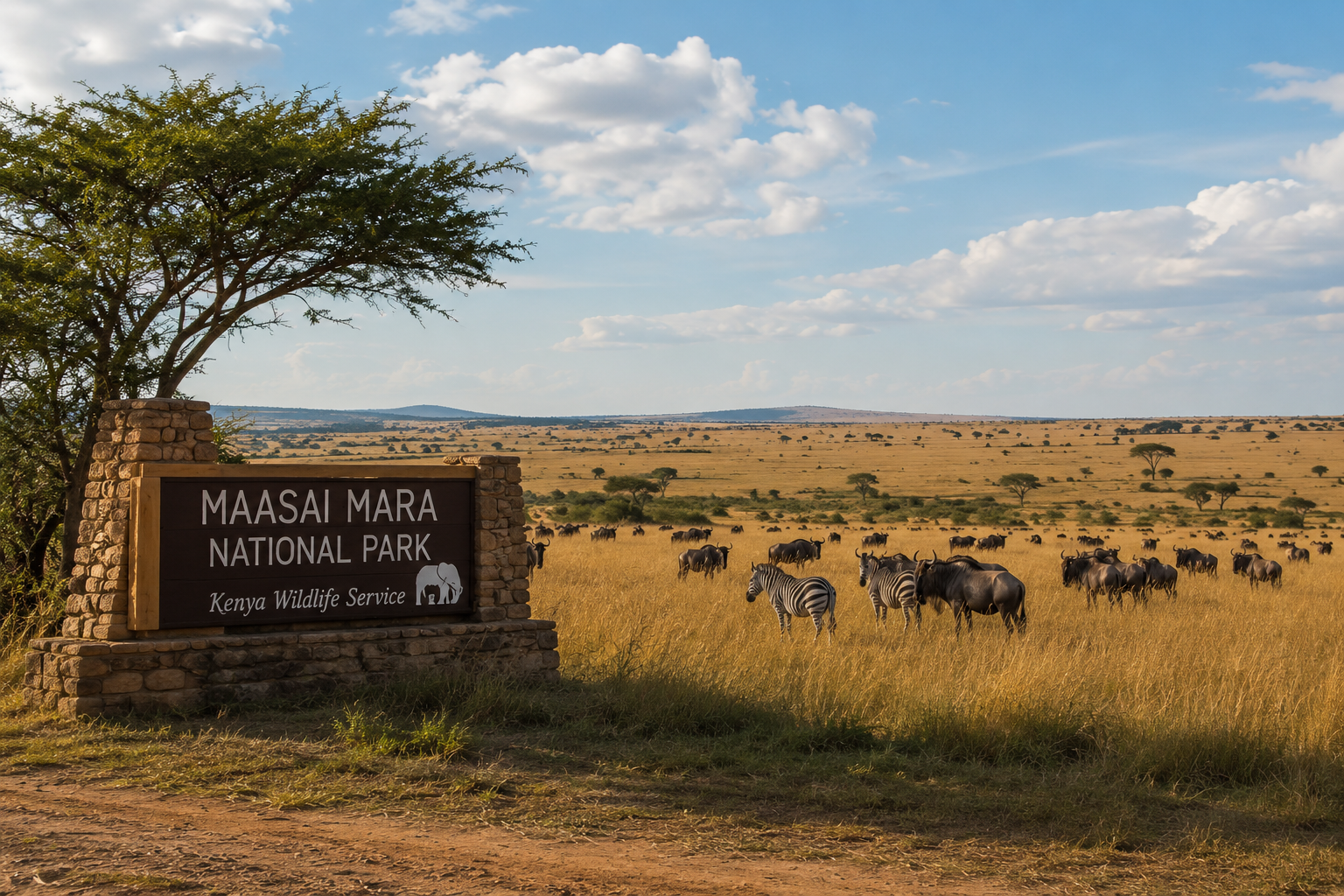
    The Maasai Mara reserve, Kenya Maasai Mara
    Amboseli National Park with Mount Kilimanjaro Amboseli
    Lake Nakuru and its pink flamingos Lake Nakuru
    Tsavo National Park, Kenya Tsavo
    My preparation notes

    Speaking Task: Quiz Your Friends About the Big Five

    The task
    Read the short articles about two of the Big Five — elephants and leopards. Write five true-or-false statements about the animals, then quiz a classmate.
    Lis les courts articles sur deux des Big Five — les éléphants et les léopards. Écris cinq affirmations vraies ou fausses sur ces animaux, puis interroge un(e) camarade.
    Swap and test each other. Is your friend ready to be a wildlife warrior?
    Échangez et testez-vous. Ton/ta camarade est-il/elle prêt(e) à devenir un wildlife warrior ?
    5 affirmations
    Hints
    Elephants +
    Elephants are herbivores. They eat grass, leaves, fruits and twigs, and can drink up to 200 litres of water a day using their trunks. Their biggest threat is human beings.
    Leopards +
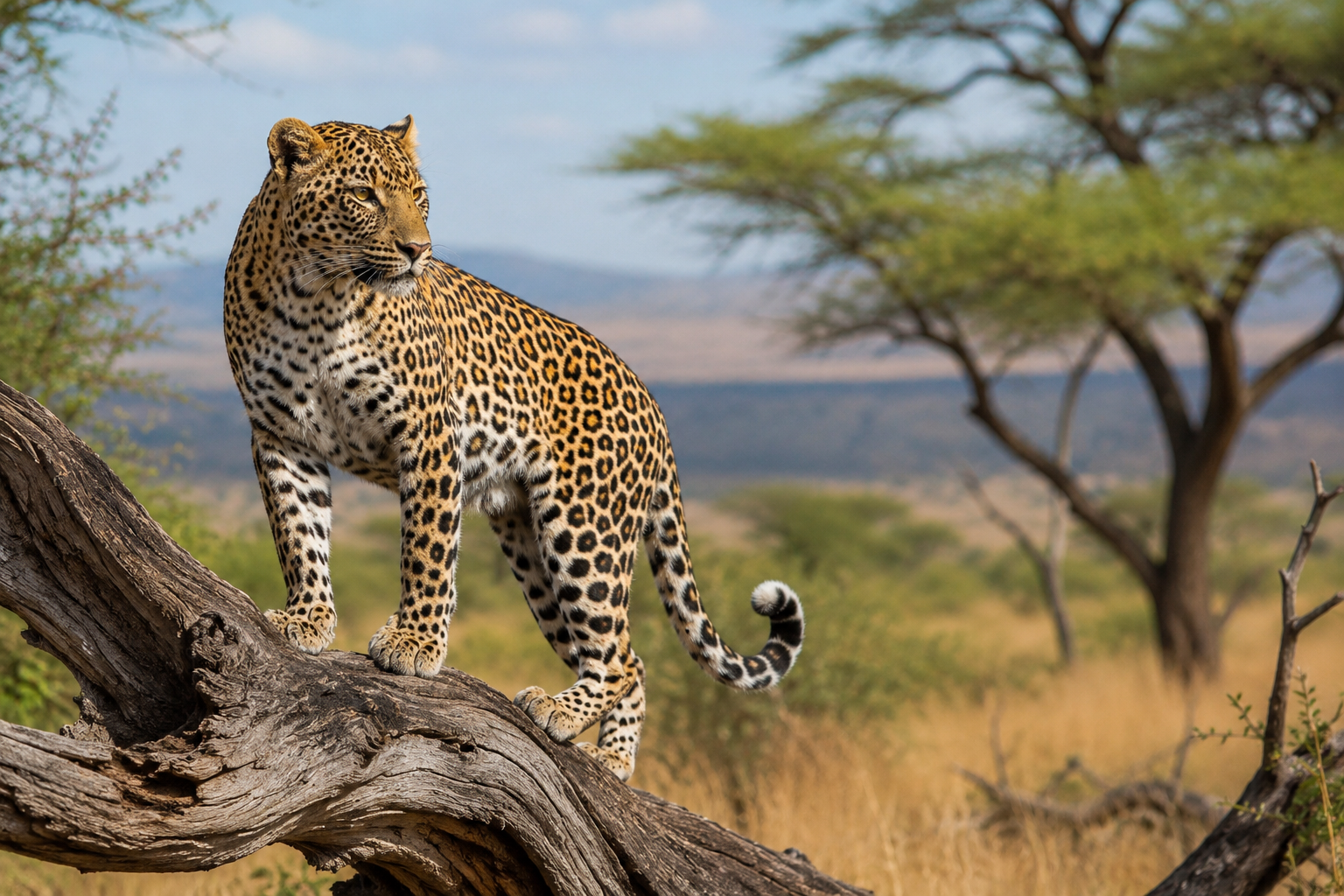
    Leopards are fast cats — up to 58 km/h! They can leap up to 6 metres and climb trees easily. They eat antelopes, monkeys — almost anything — and some even eat fish!
    Write true or false +
    Example: Elephants can eat antelopes. (False!)
    Quiz a friend +
    Statement 1 — true or false? … Correct! / Try again.
    Grille d'évaluation — présentation orale
    Marking guide — oral presentation
    … / 20
    Content
    Five clear true-or-false statements based on the articles.
    … / 5Contenu
    Language
    can / can’t and animal vocabulary.
    … / 5Langue
    Fluency
    Asks and answers smoothly with a partner.
    … / 5Aisance
    Accuracy
    Facts match the articles; correct spelling.
    … / 5Correction
    The animals
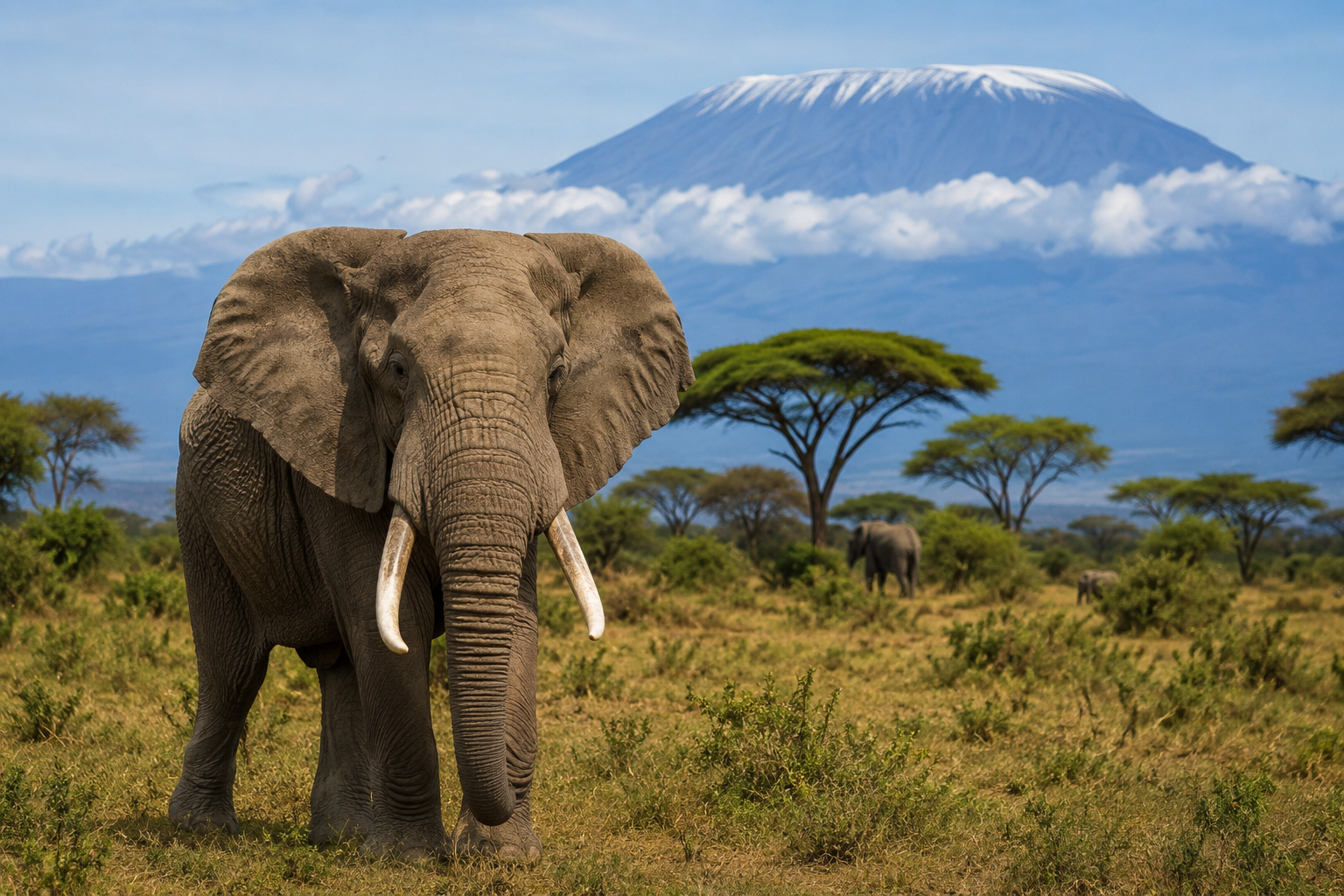
    An African elephant Elephant
    A leopard Leopard
    My true-or-false statements

    Translation Task: Kenya’s National Parks

    Build the sentence in English
    Clique sur une flèche pour lancer la roulette.

    Séance 3 : Protecting Nature!

    • Objectif : Découvrir l’action de jeunes Wildlife Warriors kényans pour protéger la nature.
    • Activités : Lire les interviews de Paula Kahumbu, Lesein Mutunkei et Alana Chelangat, relever leurs recommandations, partager sa préférée, puis rédiger un guide pour protéger la faune.
    • À retenir : Savoir citer des gestes pour protéger la nature avec can et must : To protect wildlife, we can… and we must…

    Document: Meet Wildlife Warriors: Paula Kahumbu

    Paula Kahumbu Leader · WildlifeDirect Wildlife Warriors Kids · Kenya
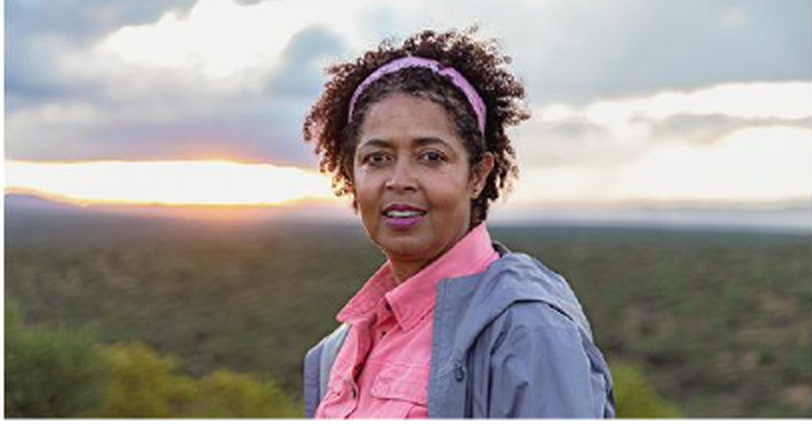
    Paula Kahumbu, leader of Wildlife Direct
    _____ _____ _____ _____ _____ _____
    Paula is the leader of Wildlife Direct, a group that helps protect animals.
    _____ _____ _____
    They make films to advocate for nature.
    _____ _____ _____ _____
    Paula, what can kids do to make a difference?
    _____ _____
    Clean up litter.
    _____ _____ _____
    Never stop learning, never stop looking for solutions.
    _____ _____
    Go outdoors, explore nature.
    _____ _____ _____ _____
    Observe, be curious and learn from nature.
    _____ _____ _____ _____
    Write down what you see, smell, feel and hear.
    _____ _____ _____ _____
    What do you think every kid must do once a year for nature?
    _____ _____ _____
    Go camping and sleep under the stars!
    _____ _____
    How can parents help?
    _____ _____ _____ _____ _____
    Parents must support their children by giving them the freedom to explore nature.
    *litter: trash or rubbish people leave in open or public space
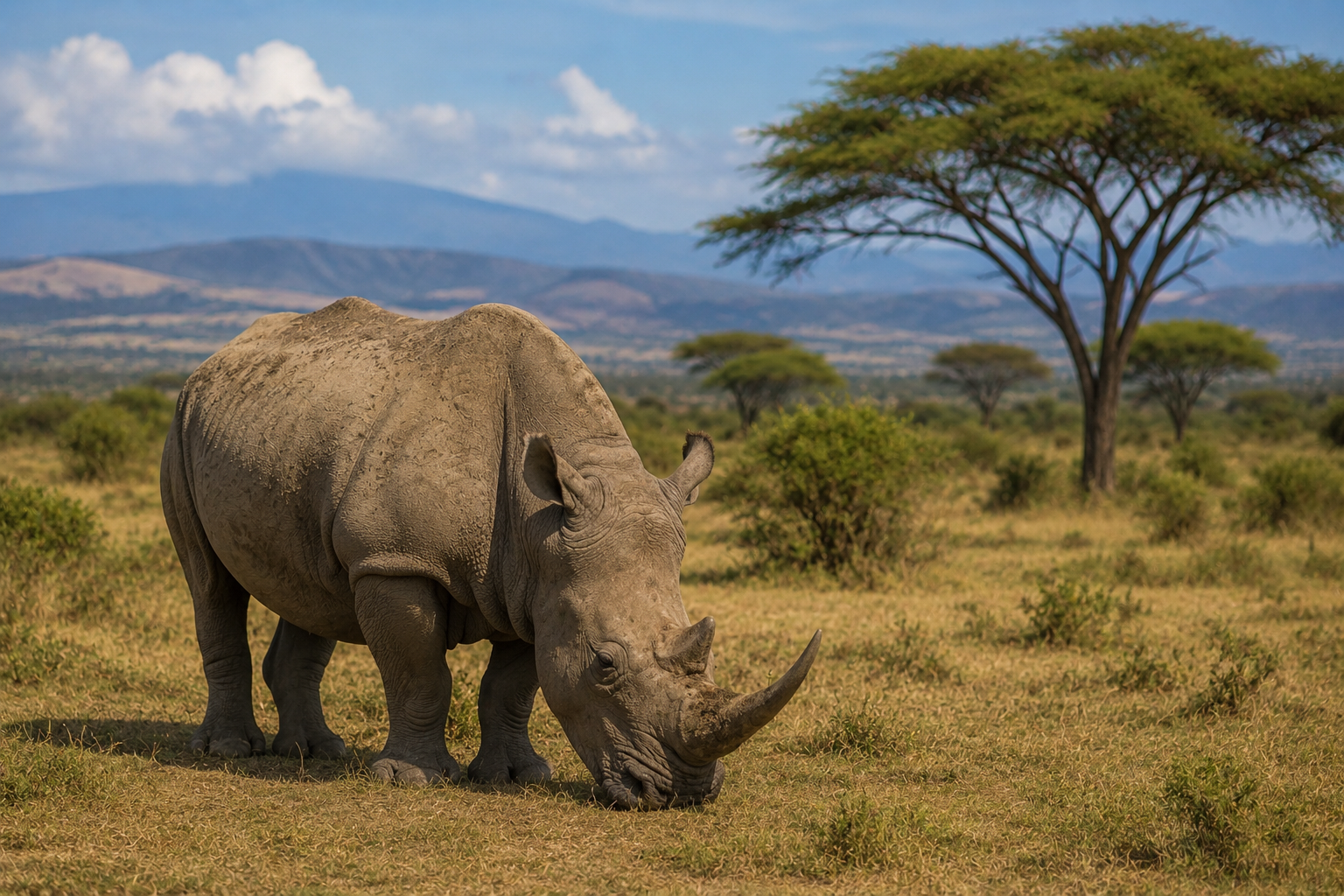
    Comprehension: Paula’s Recommendations

    What are Paula’s four recommendations for kids?
    Quelles sont les quatre recommandations de Paula pour les enfants ?

    Document: Young Wildlife Warriors

    Lesein Mutunkei & Alana Chelangat Trees4Goals · Climate action Wildlife Warriors Kids · Kenya
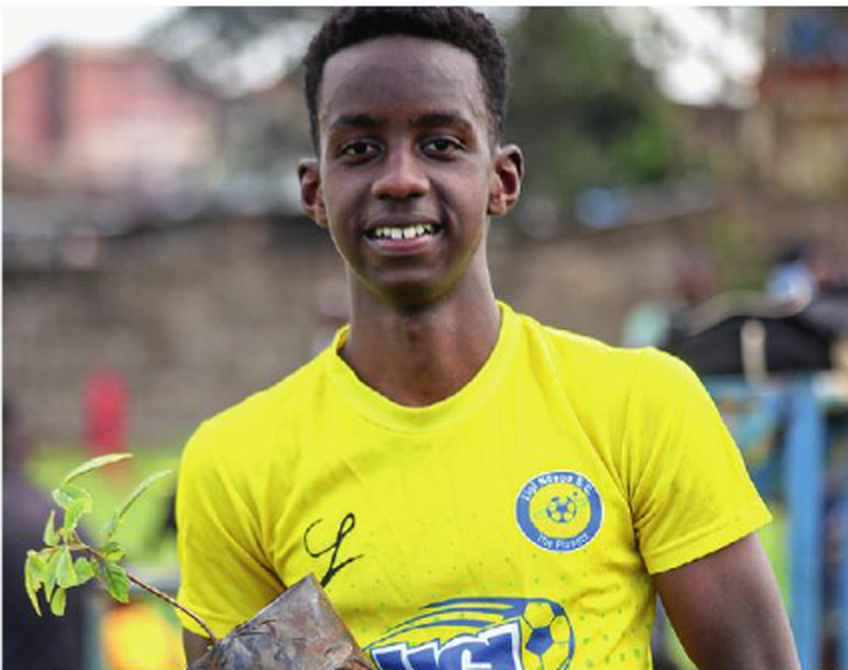
    Lesein Mutunkei, the green-footballer
    _____ _____ _____ _____ _____ _____
    Lesein is a “green-footballer”: he plants 11 trees for every goal he scores!
    _____ _____ _____ _____ _____
    Total number of trees planted in Kenya by his organization “Trees4Goals”: 5,500!
    _____ _____
    Lesein, what can we do to help nature?
    _____ _____ _____ _____ _____ _____ _____
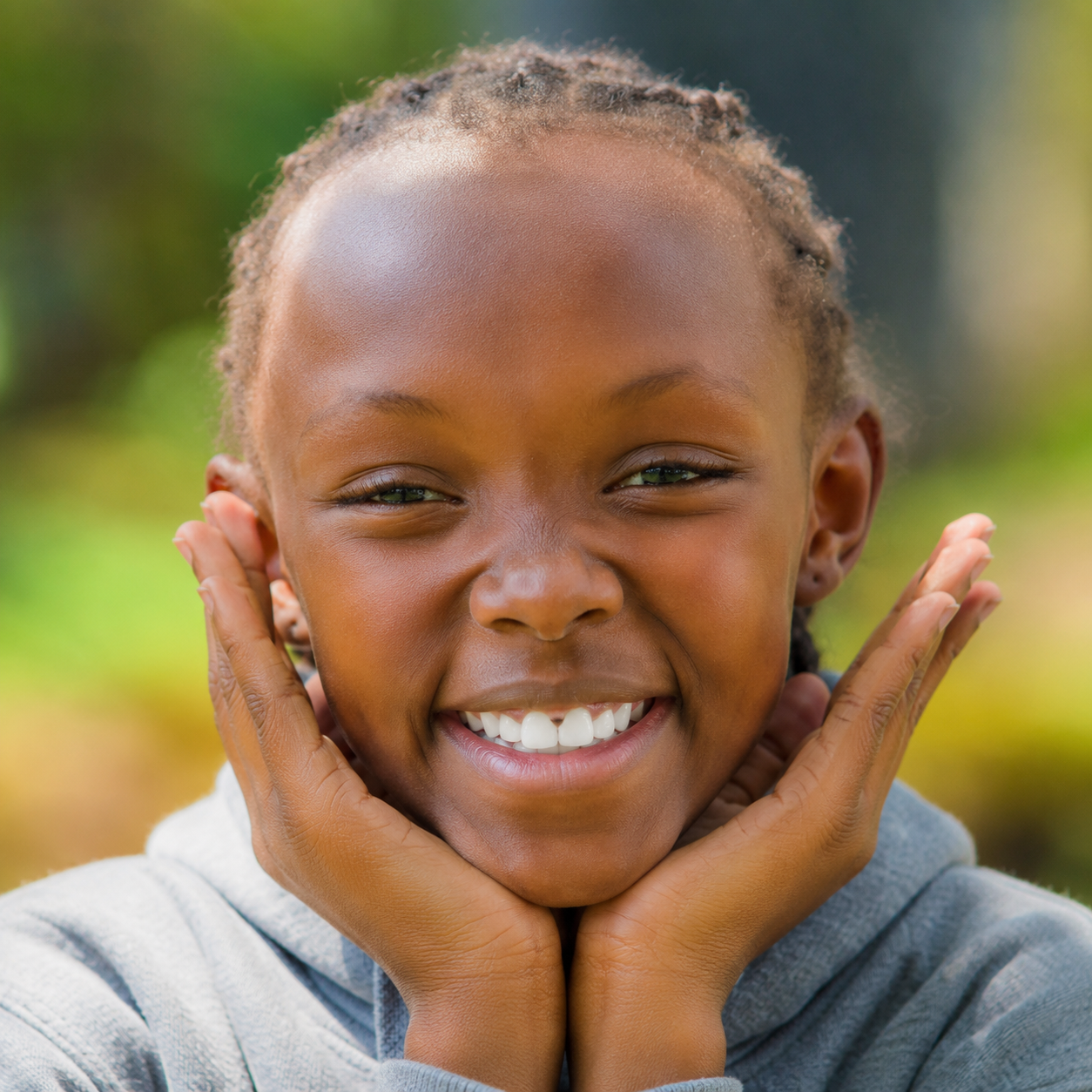
    You are never too young to start to conserve the environment, and every little thing counts.
    _____ _____ _____ _____
    You can plant a tree, or you can reduce plastic use.
    _____ _____ _____
    What is important is to start TODAY!
    Alana Chelangat speaking at COP29Alana at COP29
    _____ _____ _____
    At 12 years old, Alana is very active!
    _____ _____ _____ _____
    She has a podcast, and she is the author of a book.
    _____ _____ _____
    She spoke at the COP 29 summit in 2024.
    _____ _____ _____
    Alana, what do you think everyone must do to protect animals?
    _____ _____ _____ _____ _____ _____
    Everyone must stop buying products made from endangered animals, like ivory or animal skins.
    _____ _____ _____
    We can’t allow poaching to continue.
    _____ _____ _____ _____ _____
    If we all act responsibly, we can make a big difference for wildlife.
    *poaching: the illegal catching and killing of animals
    Comprehension: Young Wildlife Warriors

    What does Lesein do and recommend for nature?
    Que fait Lesein et que recommande-t-il pour la nature ?
    What does Alana say we must do to protect animals?
    Que dit Alana que nous devons faire pour protéger les animaux ?
    What is your favourite recommendation?
    Quelle est ta recommandation préférée ?

    Writing Task: A Guide for Young Wildlife Warriors

    The task
    Write a guide for young Wildlife Warriors. Say what we can do and what we must do to protect wildlife in Kenya. Use the recommendations from the interviews.
    Rédige un guide pour les jeunes Wildlife Warriors. Dis ce que nous pouvons faire et ce que nous devons faire pour protéger la faune du Kenya. Utilise les recommandations des interviews.
    40 – 60 mots
    Hints
    Start +
    To protect wildlife in Kenya, we can… and we must…
    We can… +
    plant a tree, clean up litter, go outdoors, reduce plastic use.
    We must… +
    stop buying ivory, support young people, respect animals.
    Finish +
    Every little thing counts — start today!
    Grille d'évaluation — production écrite
    Marking guide — written task
    … / 20
    Content
    A clear guide with actions we can do and actions we must do.
    … / 5Contenu
    Language
    can and must + base verb (we can plant…, we must stop…).
    … / 5Langue
    Fluency
    40–60 words; the ideas connect naturally.
    … / 5Aisance
    Accuracy
    Correct verbs after can / must (no “to”, no -s).
    … / 5Correction
    Your guide

    Translation Task: Protecting Nature

    Build the sentence in English
    Clique sur une flèche pour lancer la roulette.

    Évaluation : Grammaire et sons : can / must, formes faibles

    • Type d'évaluation : Compréhension de l’écrit (QCM) — Les Big Five — 10 questions, /10
    • Axe : Axe 3 — Pays et paysages > Les parcs nationaux du Kenya
    • Compétences : A1 > A1+ — Comprendre deux articles documentaires sur les animaux (CE)
    • Coefficient : 1
    Nom, Prenom :
    Classe :
    Date :
    Note :
    Axe : Pays et paysages — Les parcs nationaux du Kenya
    CECRL : A1 > A1+
    Activité langagière : Compréhension de l'écrit
    Compétence : Comprendre deux articles documentaires sur les animaux
    ÉVALUATION — Les Big Five Questions à choix unique
    1.
    What are the “Big Five”?
    2.
    What do elephants eat?
    3.
    How much water can an African Savannah elephant drink in a day?
    4.
    How do elephants drink?
    5.
    What is the biggest threat to elephants?
    6.
    Do elephants have natural predators?
    7.
    How fast can leopards run?
    8.
    What can leopards do?
    9.
    What do leopards eat?
    10.
    “Elephants can eat antelopes.” This statement is…