Séance 1 : Feelings and suggestions

  • Objectif : lire un forum communautaire en ligne pour dégager des conseils pratiques avant et pendant un talent show, et inférer le sens de mots inconnus grâce au contexte
  • Activités : lecture d'un Q&A extrait de howtoanything.com, identification de la source et de la composition du document, travail lexical par inférence contextuelle, tri des conseils en trois catégories, récapitulatif oral à livre fermé
  • À retenir : comprendre un document authentique en ligne, mobiliser des stratégies de lecture (composition, typographie, contexte) et formuler des conseils avec should et shouldn't

Vocabulary it: Feelings and suggestions

Verbs, nouns & phrases
  • to mess up = rater, se planter
  • to rehearse = répéter, s'entraîner
  • to shake = trembler
  • act = numéro, prestation
  • advice = conseils
  • leotard = justaucorps, collant de danse
  • props = accessoires de scène
  • stage fright = le trac
  • I have butterflies in my stomach. = J'ai le trac. / J'ai des papillons dans le ventre.
Feelings
  • clumsy = maladroit(e)
  • confident = confiant(e)
  • fearless = courageux/courageuse, sans peur
  • messy = désordonné(e)
  • nervous = nerveux/nerveuse
  • scared = effrayé(e), apeuré(e)
  • shy = timide
  • successful = qui a du succès
  • unique = unique
Making suggestions
  • You could + BV = Tu pourrais…
  • What about + V-ing? = Et si tu essayais de… ?
  • Why not + BV? = Pourquoi ne pas… ?
  • Why don't you + BV? = Pourquoi tu ne… pas ?
  • Try + V-ing = Essaie de…

Document: Five teenagers

A nervous teenager
nervous
A shy teenager
shy
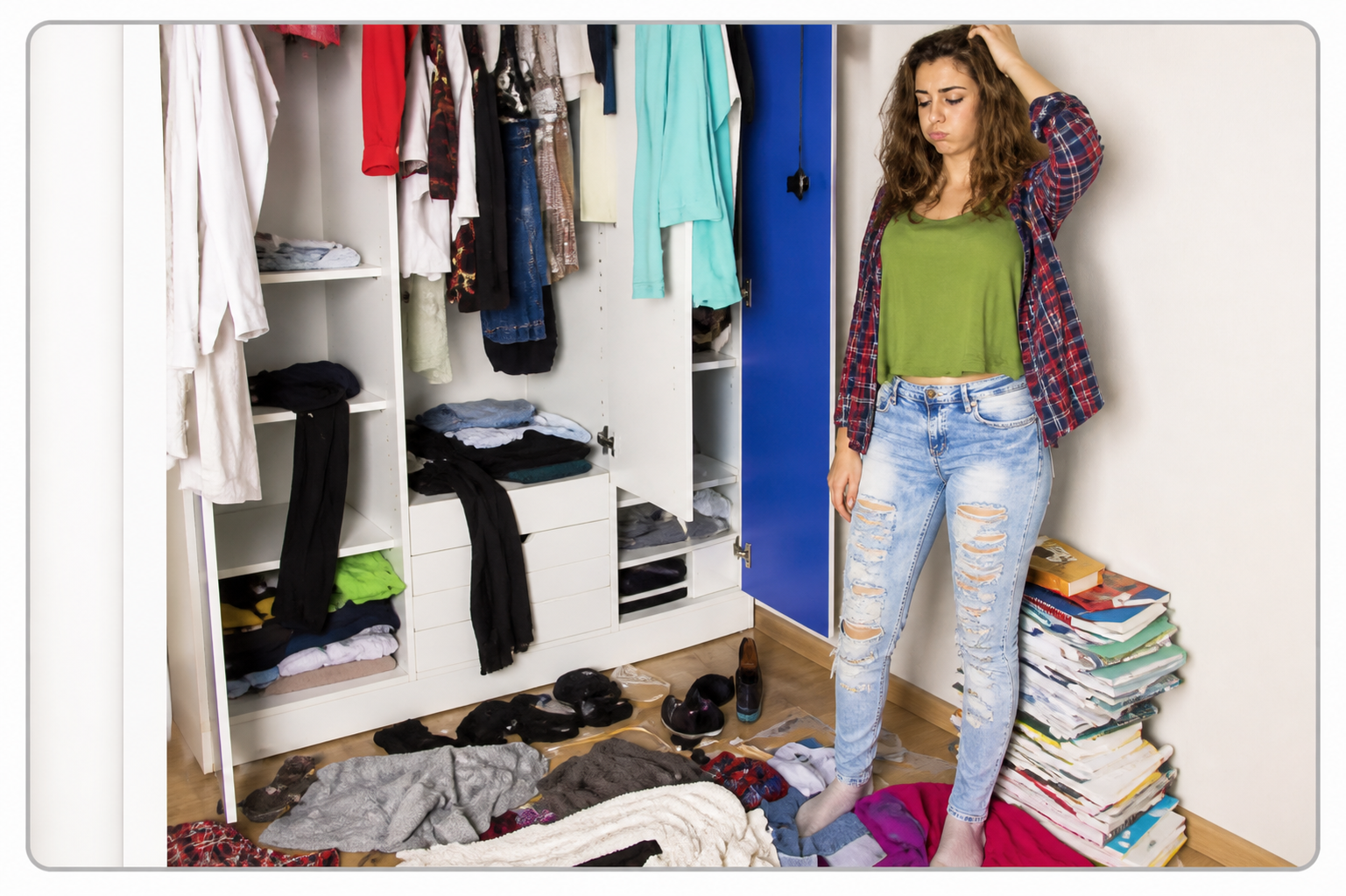
A messy teenager
messy
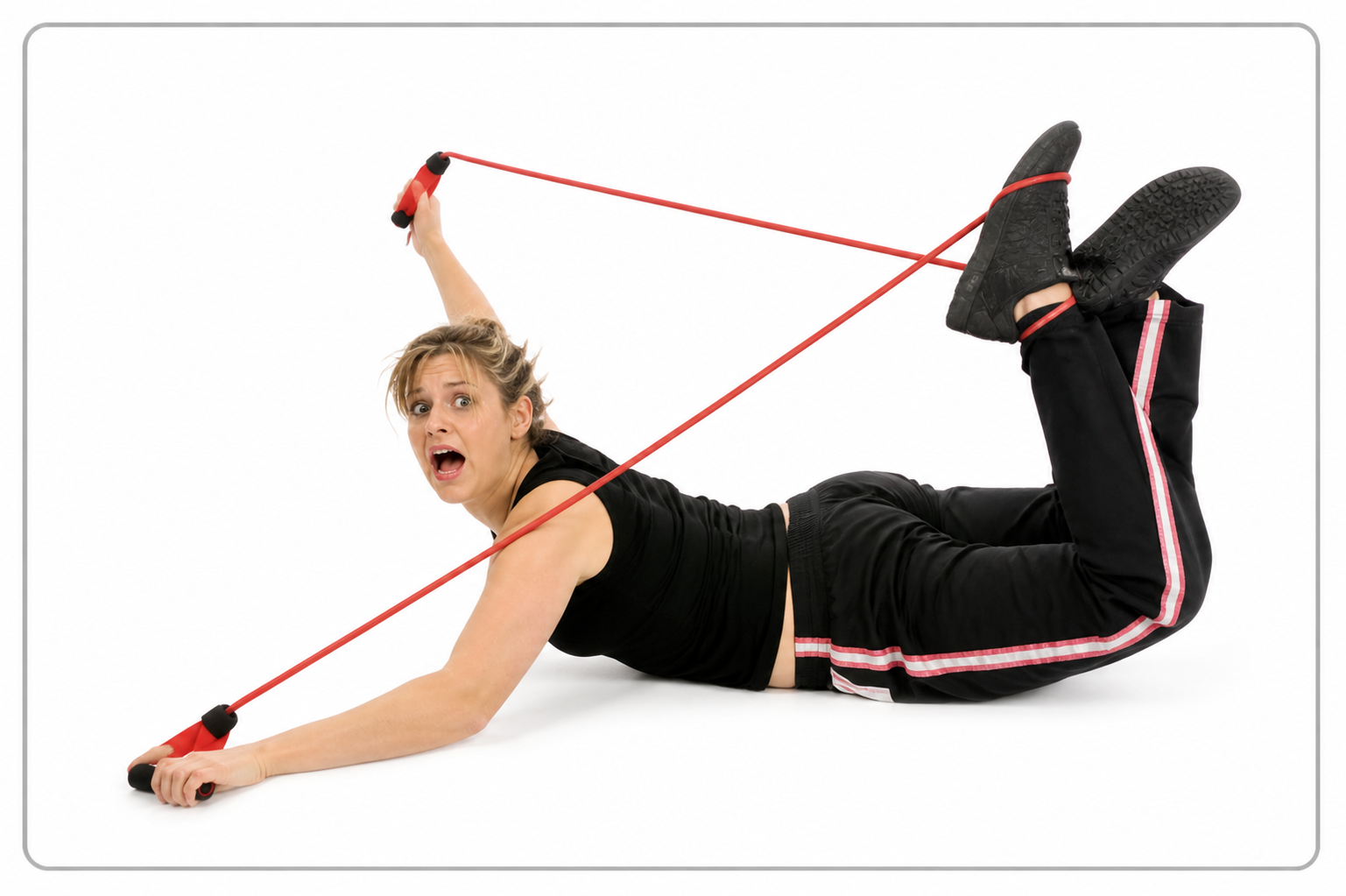
A clumsy teenager
clumsy
A scared teenager
scared

Document: Five conversations

Five situations

Man : Hello. Come in. Don't stand at the back. What's your name?
Bob :
Man : Sorry, we didn't understand. Could you say that again, please?
Bob : Bob.
Mum : Lucy, you can't go like this! Look at yourself. Your hair is not combed. And where is your dress and your props for the audition? We can't find anything in your room.
Laura : Good morning. My name's Laura and I'm going to juggle with five balls.
(juggling)
Woman : Watch the stairs…. (fall) Ouch!
Laura : Oh, I'm so sorry.
Boy : Hi, Simon. Are you ready for the audition?
Simon : It's horrible. I can't sleep and I can't eat and the auditions are tomorrow! I'm sure I won't be selected.
Technician : Come on Olivia, it's your turn.
Olivia : I can't. There are too many people in the audition room. My hands are shaking, I have butterflies in my stomach and I can't move. I have stage fright.

Feelings and situations

Match each adjective with the correct picture.
Associe chaque adjectif à l'illustration correspondante.
Read the conversations. Which adjective describes each person?
Lis les conversations. Quel adjectif correspond à chaque personnage ?
Example: Bob is shy.
  • Lucy → Lucy is messy.
  • Laura → Laura is clumsy.
  • Simon → Simon is scared.
  • Olivia → Olivia is nervous.

Translate: Feelings and suggestions

Build the sentence in English
Clique sur une flèche pour lancer la roulette.

Séance 2 : Tips from a forum

  • Objectif : comprendre des suggestions et des conseils pour réussir un talent show
  • Activités : travail lexical sur les structures pour faire des suggestions et les adjectifs de sentiment, lecture de cinq conversations de candidats au talent show, association des personnages à leurs émotions, jeu de rôle — jouer le rôle d'un coach
  • À retenir : les cinq structures pour faire des suggestions (You could / What about / Why not / Why don't you / Try) et les adjectifs nervous, shy, messy, clumsy, scared

Document: Forum Q&A

_____ _____ _____
_____ _____
_____ _____ _____
_____ _____ _____
_____ _____
www.howtoanything.com
Community Q&A New! Answer questions, help people
• What should I do before the show?
Get everything ready and try to stay calm. Go to bed early and sleep well if possible. Eat foods that will give you energy.
Not helpful Helpful
• What should I wear during a talent show?
Dress according to your act and dress to impress. If you are doing ballet, for example, you could wear a leotard, tutu, etc. If you are doing hip hop dancing, it's best to wear a cap and sunglasses.
Not helpful Helpful
• My talent show is in a week and I am very nervous about performing in front of my school and family. What should I do?
Practice and watch yourself in front of a mirror and ask for advice. Don't be afraid to ask for tips or to make mistakes, it happens. Rehearse in front of your family, so that they can help you.
Not helpful Helpful
• What if I mess up?
If you make a mistake during the performance, do not show any signs of it. Keep going! Smile and move on with your act.
Not helpful Helpful
• What if I get nervous during the talent show?
Imagine nobody is in the room and be confident!
Not helpful Helpful

Trucs & Astuces

Inférer le sens d'un mot inconnu

Pour comprendre un mot que tu ne connais pas, utilise le contexte (les mots autour) et pense à la thématique du document. Ici, le document parle du monde du spectacle : des mots comme rehearse, act ou leotard font partie de ce champ lexical.

  • Lis toute la phrase avant de chercher dans un dictionnaire.
  • Demande-toi : est-ce un nom, un verbe, un adjectif ?
  • Pense à un mot français ou anglais qui ressemble.

"Dress according to your act" → ton numéro

"Don't mess up" → ne fais pas d'erreur

"Be confident" → sois confiant

Reading: About the document

What is the source of this document?
Quelle est la source de ce document ?
What is the topic of this document?
Quel est le sujet de ce document ?
How is this document composed?
Comment ce document est-il composé ?
What does "Q&A" stand for?
Que signifie « Q&A » ?
Who are the authors of the answers?
Qui sont les auteurs des réponses ?

Vocabulary: Guess the meaning

Use the context to guess the meaning. Match each word with its French definition.
Utilise le contexte pour deviner le sens. Relie chaque mot à sa définition française.

    Reading : Sort the tips

    Read the forum tips again. Sort each piece of advice into the right column.
    Relis les conseils du forum. Classe chaque conseil dans la bonne colonne.
    Before the show
    During the show
    Avoid !

    Speaking: Recap

    Close the document. What should you do — and what shouldn't you do — before and during a talent show? Answer your classmates' questions.
    Ferme le document. Que faut-il faire — et ne pas faire — avant et pendant un talent show ? Réponds aux questions de tes camarades.
    • What should you do the night before the show?
    • What should you do if you mess up on stage?
    • What shouldn't you do during the show?

    Translate: Tips from a forum

    Build the sentence in English
    Clique sur une flèche pour lancer la roulette.

    Séance 3: Dos and don'ts

    • Objectif : donner et recevoir des conseils en anglais, et jouer un dialogue de manière expressive
    • Activités : interaction orale — Qui est le meilleur coach ? (jeu de rôle avec fiches-problèmes), mini-tâche — créer une vidéo Dos & Don'ts pour le talent show, méthodologie AP — Jouer un dialogue
    • À retenir : savoir utiliser should / shouldn't pour donner des conseils, et jouer un dialogue en respectant la prononciation, l'intonation et les émotions

    Document: Dos & Don'ts

    Britain's Got Talent — Dos & Don'ts · Vidéo 6

    Script
    Stephen
    _____ _____ _____
    Don't try and fight your corner: if the judges have a go at you, just take it.
    Dec
    _____ _____
    Be different, be unique — do something that we haven't seen before.
    Ant
    _____ _____ _____
    Don't slag the judges off before you get going — we've had that before.
    Simon
    _____ _____
    You've got to be confident, and be original.
    Amanda
    _____ _____ _____
    When we ask "what makes you stand out from the rest", the answer is normally "we're really different".
    _____ _____
    So how are you different?
    Alesha
    _____ _____ _____
    You've got 2 minutes to change your life so don't walk off that stage with any regrets.
    _____
    Go for it.
    _____ _____
    You've got to walk on that stage fearless.
    Simon
    _____ _____
    Hopefully don't bring a guitar — I'm so bored of everyone thinking they could be the next Ed Sheeran.
    Amanda
    _____ _____ _____
    We're sort of going off people that come on dressed as heavy metal and then start singing opera — we know what's coming, it's not a surprise anymore.
    _____ _____
    So if you're going to sing opera, look like you're going to sing opera.
    Dec
    _____ _____ _____
    And don't be so nervous that your tongue sticks to your teeth which sticks to your lips.
    Stephen
    _____ _____ _____
    "If you think you're so good, why don't you come up here and do it?" — well, they're not going to do that, because they're the judges.

    Video Time: Adjectives

    Watch the video. Write down all the adjectives you hear.
    Regarde la vidéo. Note tous les adjectifs que tu entends.
    Adjectives will appear here.

    Video Time: Dos & Don'ts

    Watch the video again. Sort the adjectives into the correct column.
    Regarde à nouveau la vidéo. Classe les adjectifs dans la bonne colonne.
    ✅ Should be
    ❌ Shouldn't be

    Trucs & Astuces

    La prononciation de should / shouldn't
    • La lettre « l » est muette dans should et shouldn't.
    • Les voyelles « ou » se prononcent /ʊ/ comme dans good — pas /uː/ comme dans moon.

    You should practice a lot. → /ʃʊd/

    You shouldn't eat too much before the show. → /ˈʃʊdnt/

    Culture Box — Idioms

    In English, you can use a vivid expression to say you feel very nervous — have you guessed which one?
    En anglais, on peut utiliser une expression imagée pour dire qu'on se sent très nerveux — as-tu deviné laquelle ?
    The expression

    "I have butterflies in my stomach!" — This idiom describes the fluttery, nervous sensation you feel in your stomach before a big event. It is used in both British and American English.

    When to use it

    Use it before a performance, an exam, or any moment that makes you nervous. For example: "I have butterflies in my stomach — it's the night of the talent show!"

    Anagrams: Dos and Don'ts

    Unscramble the words

    Vocabulary: Suffixes

    Match each adjective with its French translation. Watch out — there are red herrings!
    Associe chaque adjectif à sa traduction française. Attention aux intrus !
    -ful = "full of"  ·  -less = "without"

      Translate: Dos and don'ts

      Build the sentence in English
      Clique sur une flèche pour lancer la roulette.

      Séance 4: Best coach role play

      • Objectif : faire des suggestions et donner des conseils pour réussir un talent show
      • Activités : compréhension vidéo (Vidéo 6 — Dos & Don'ts), travail sur la prononciation de should / shouldn't, Culture Box sur l'expression « I have butterflies in my stomach », anagrammes et travail sur les suffixes -ful et -less
      • À retenir : savoir utiliser should / shouldn't pour donner des conseils ; reconnaître et comprendre les suffixes -ful et -less

      Trucs & Astuces — Jouer un dialogue

      1 — Se préparer à prononcer les mots
      • Imprime ou recopie le dialogue en faisant ressortir tes répliques (encadre-les ou mets-les en gras).
      • Vérifie la prononciation des mots difficiles dans un dictionnaire en ligne (ex. wordreference.com) — écoute l'audio et recopie la phonétique au-dessus du mot.
      • Surligne les syllabes accentuées — les mots de deux syllabes et plus ont toujours une syllabe plus forte.
      2 — Se préparer à prononcer les phrases
      • Indique les pauses avec des barres obliques (/) — ne sépare pas les mots qui vont ensemble.
      • Note les intonations avec des flèches : la voix descend (↘) en fin de phrase et de question ouverte ; elle monte (↗) avant une virgule et en fin de question fermée.
      3 — Interpréter le dialogue
      • Trouve l'émotion de chaque réplique : le personnage est-il joyeux, triste, nerveux, anxieux, effrayé ?
      • Entraîne-toi à jouer cette émotion — essaie plusieurs intonations et joue devant un miroir pour ajouter des mimiques et des gestes.
      4 — Répéter le dialogue
      • Entraîne-toi d'abord à lire le dialogue en prenant en compte toutes tes annotations.
      • Puis apprends ton rôle par cœur peu à peu — commence seul(e), puis répète avec tes camarades pour apprendre à interagir.

      INTERACTING — Who is the best coach?

      Work in groups. Read a card and explain your problem to your classmates. Listen to their tips and give your card to the best coach. Change roles — the pupil with the most cards wins!
      Travaillez en groupes. Lisez une carte-problème, expliquez votre situation et écoutez les conseils de vos camarades. Donnez votre carte au meilleur coach. Changez de rôles — celui qui a le plus de cartes à la fin est le meilleur coach !

      I'd like to recite a poem for the school talent show but I'm very shy. What tips could you give me?

      Card 1

      I am quite clumsy. What should I do if I fall on the stage?

      Card 2

      It's my first talent show. What should I do when I am finished?

      Card 3

      I'm a beatboxer. What could I wear for my performance?

      Card 4

      It's my first audition tomorrow. What should I eat to have a lot of energy?

      Card 5

      It's my first talent show. What should I do to get ready?

      Card 6

      I'm a clumsy person. What type of things could I do at the talent show?

      Card 7

      I'm going to play a magic trick. What should I wear?

      Card 8

      I always have stage fright before a performance. What should I do?

      Card 9

      I always have butterflies in my stomach when I'm on stage. What could I do?

      Card 10

      My audition is in two days and I feel very tired. What should I do?

      Card 11

      I'm going to draw on stage. What props could I bring?

      Card 12
      Suggestions You should… – You shouldn't… – You could… – Why not…? – What about…? – Try…
      Examples

      You should practice in front of a mirror every day.

      You shouldn't eat too much before the performance.

      Why not ask a friend to watch your rehearsal?

      Mini-task — Give some tips for the school talent show

      The task
      In groups, list your dos and don'ts for the school talent show. Then discuss how to illustrate each tip in a video — and choose the best idea!
      En groupes, listez vos conseils (dos et don'ts) pour le talent show de l'école. Ensuite, discutez de la façon d'illustrer chaque conseil dans une vidéo — et choisissez la meilleure idée !
      40 – 60 mots
      Hints
      Pour commencer +
      Use You should… for dos and You shouldn't… for don'ts.
      Aim for at least 3 dos and 3 don'ts.
      Des Dos utiles +
      practice a lot – rehearse in front of a mirror – stay calm – get enough sleep – eat well – be confident – wear something smart
      Des Don'ts utiles +
      don't eat too much – don't go to bed too late – don't be too nervous – don't forget to rehearse – don't show your mistakes
      Pour la vidéo +
      Think visually — how can you show each tip?
      To show "You should practice", film someone rehearsing.
      To show "You shouldn't be nervous", show a student taking a deep breath.
      Your dos & don'ts

      Translate: Best coach role play

      Build the sentence in English
      Clique sur une flèche pour lancer la roulette.

      Séance 5: Evaluation

      • Type d'évaluation : EOI — Expression orale en interaction
      • Axe : Axe 4 — École et loisirs
      • CECRL : A2 — Interagir à l'oral
      • Compétence : Donner son avis et des conseils
      • Coefficient : à confirmer

      Avant l'évaluation

      L'évaluation
      • Le professeur tire 4 situations au hasard depuis le générateur
      • Tu donnes un conseil différent pour chacune des 4 situations
      • Production orale individuelle, sans notes
      • Compétence : A2, Expression orale
      Ce qu'il faut réviser
      • should / shouldn't pour donner des conseils
      • Why don't you...? / What about...? / You could... pour faire des suggestions
      • Vocabulaire des émotions : nervous, shy, confident, clumsy, scared
      • Vocabulaire de la scène : rehearse, perform, costume, audience, judges
      • Les dos and don'ts de la vidéo (Séance 3)

      "You should rehearse every day before the show."

      "She shouldn't eat a huge meal just before going on stage."

      "What about practising in front of a mirror?"

      Conseils pour réussir
      • Lis bien la situation et identifie le problème avant de répondre
      • Utilise des structures variées : ne répète pas should pour chaque réponse
      • Prononciation de should : le "l" est muet, "ou" se prononce /ʊ/ comme dans "good"

      Sentence generator: Giving advice

      1 Click the arrow to generate problems.
      2 ...
      3 ...
      4 ...